GAAWUTPRODUCTIONS


THE NEED FOR I.C.M.
Ancient martial arts and modern combat sports have pros and cons. To achieve maximum effectiveness, I synergized them, creating a whole greater than the simple sum of its parts.


THE GIANTS OF ICM
“If I have seen further, it is by standing on the shoulders of giants.” - Sir Isaac Newton
In combat, there is rarely anything new. Almost everything has already been codified for centuries. Often, some things stop being used and are rediscovered later.
ICM is not about reinventing the wheel. It combines 9 main combats arts and others to a lesser extent.
The distinguishing trait of ICM is how these arts approached, interpreted, trained, and adapted for modern times.

MUAY BORAN
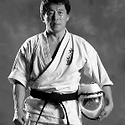
KUDO

ITALIAN
COMBATIVES

PUGILISM

JUJUTSU

ABRAZARE

PRACTICAL
BOXING

JEET KUNE DO

MILITARY COMBATIVES
THE STRUCTURE OF I.C.M.
“The true science of martial arts means practicing them in such a way that they will be useful at any time, and to teach them in such a way that they will be useful in all things.” ― Miyamoto Musashi.

Following Jigoro Kano's footsteps, I.C.M. is a means of education to develop numerous qualities and virtues, including greater self-awareness and emotional management, which are essential in combat since the body always follows the mind.
The qualities that practitioners develop can be applied in every area of life.
THE SYSTEM OF I.C.M.
I.C.M., like every respectable combat system, is divided into 4 areas: techniques, tactics, strategies, and method.
Techniques - Effective, efficient, and in synergy. Designed for combat sports and self-defense.
Strategies - They are dynamic and require continuous adaptation.
Tactics - Often involve the 3 types of deceptions; feinting, luring, and misdirecting.
Method - Based on experience, sports science, and neurology.
